Buy rock-guide.com ?
We are moving the project
rock-guide.com .
Are you interested in purchasing the domain
rock-guide.com ?
domain@kv-gmbh.de · 0541-91531010
Buy rock-guide.com ?
What are orbital sanders and random orbital sanders?
Orbital sanders are power tools used for sanding wood, metal, or other materials. They move in a circular motion, making them ideal for smoothing surfaces and removing imperfections. Random orbital sanders, on the other hand, combine the spinning motion of traditional orbital sanders with a random orbital motion. This dual-action movement helps prevent swirl marks and provides a smoother finish, making random orbital sanders a popular choice for professional woodworkers and DIY enthusiasts. **
Why is the 1s orbital the lowest energy orbital?
The 1s orbital is the lowest energy orbital because it is closest to the nucleus of the atom. Electrons in the 1s orbital experience the strongest attraction to the positively charged nucleus, resulting in a lower energy state. As electrons move to higher energy orbitals, they are farther from the nucleus and experience weaker attraction, leading to higher energy levels. Additionally, the 1s orbital has the lowest principal quantum number (n=1), which also contributes to its lower energy compared to higher energy orbitals with larger principal quantum numbers. **


Similar search terms for Orbital
Top-Angebote
Products related to Orbital:
-
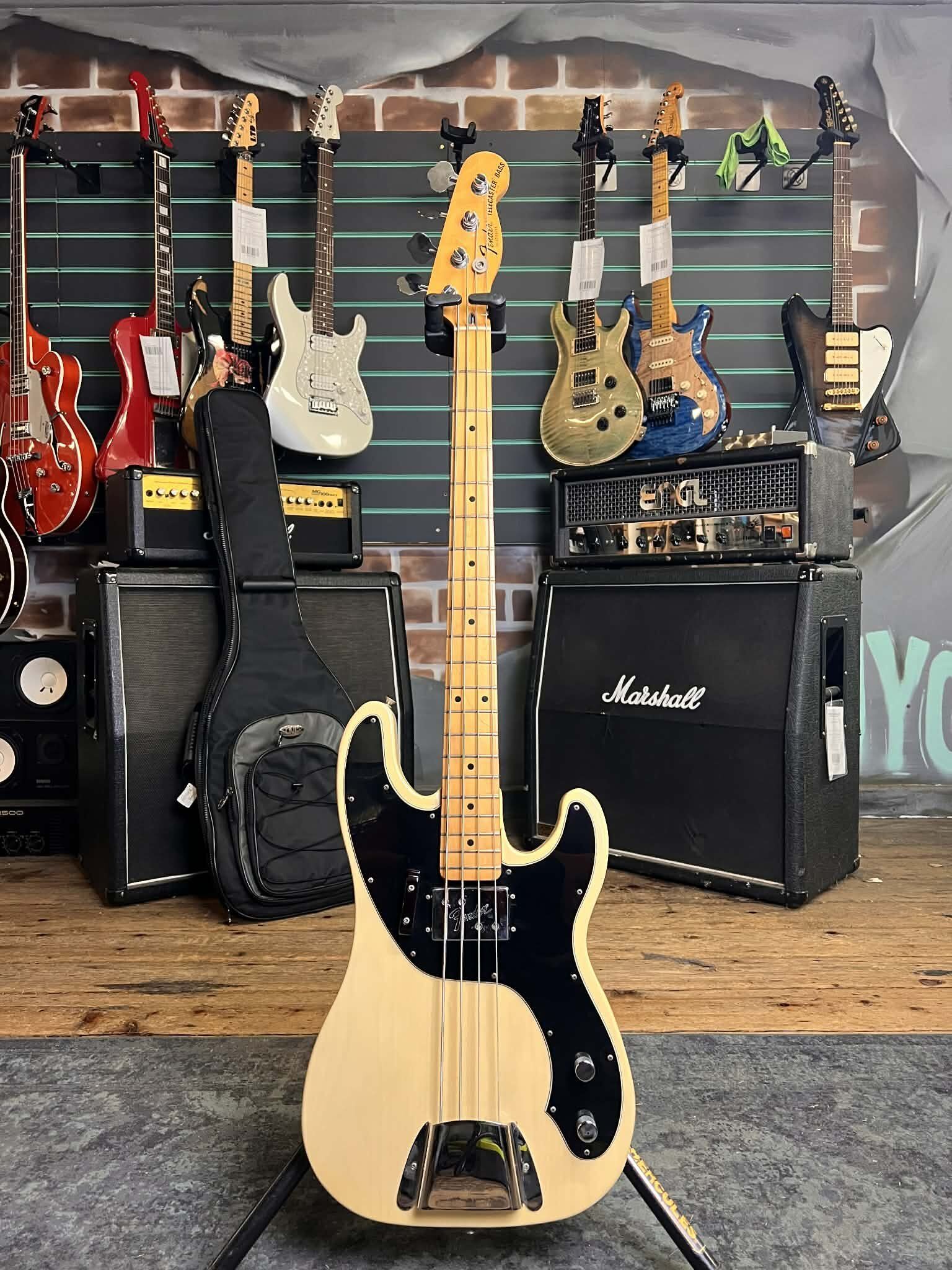
Fender Telecaster Bass Blonde 1977 Vintage Electric Bass Guitar Vintage Blonde - RefurbishedThis is a Fender Telecaster Bass in Blonde finish. Made in the USA in 1977, this bass comes from the second run of Telecaster Basses which were available from '71 up to their discontinuation in 1979. The original version was introduced in 1968, and was largely a reissue of the original Precision Bass, featuring Telecaster inspired features such as the small headstock, solitary single-coil pickup and separate control plate. In 1971 the design was updated to include some of the well-known CBS era appointments including the bullet truss rod nut and 3-bolt micro-tilt neck plate. Additionally the pickguard was re-designed to incorporate the controls and Fender's new Seth Lover-designed Wide Range pickup. The model was discontinued in '79, but has enjoyed several subsequent reissues as part of the Squier Vintage Modified series & Fender's Vintera II lineup. Naturally, a bolt-on construction is employed, and comprises an Ash body, Maple neck and 20 fret Maple fingerboard. Chrome hardware is fitted including a top-loading 4-saddle bridge with cover and Fender open-geared tuning machines. A Fender Wide Range Bass humbucking pickup is installed on the 3-ply black/white/black pickguard, and is wired to master volume & tone controls. The Maple neck plays very comfortably, with what might be described as a ‘U’ profile. This fillsthe hand reassuringly whilst still allowing for comfortable reach in all registers and promoting ergonomic thumb positioning. The double cutaway body design offers extended access into the upper register which works well with the gloss finish to the rear of the neck, allowing for smooth navigation of the 34” scale. The frets are on the larger size, feeling similar to modern medium jumbos. These feel great under the fingers, and provide the versatility required for a wide range of playing styles and techniques. The Wide Range Bass humbucker installed in this guitar had only been introduced in 1971, so the Telecaster bass was one of the first instruments to feature the pickup as factory standard. The Wide Range Bass humbucker makes use of 4 magnetised pole pieces rather than the bar magnet and screw arrangement of the Gibson PAF. Due to the difficulty of machining AlNiCo (Aluminium/Nickel/Cobalt) into threaded rod magnets, Fender chose to use CuNiFe magnets (Copper/Nickel/Iron) instead. As they produce less output than AlNiCo magnets, more windings were needed to produce enough output- resulting in a much larger enclosure than a typical humbucker. The tone is full-bodied and warm, filling out the bottom of the mix very nicely whilst still capturing all the snap and attack of your playing. A seriously cool instrument in astonishing condition. This is because between ‘77 and ‘78 Fender switched from using a string-thru bridge, to a top loading bridge. This means the body of the bass does not have holes and ferrules for a string-thru bridge. Please see the pictures of the body and neck attached to the listing. Luthier Report Our ID:...2470,00 £*Shipping: 0,00 £Secure redirect to the provider
-
Fender Precision Bass Black 1978 Vintage Electric Bass Guitar Vintage Black - RefurbishedThis is a Fender Precision Bass in Black finish. The Fender Precision bass was launched in 1951, and despite how ubiquitous it is today, actually took a few years to catch on. Electric bass guitars were a new concept at the time, and Leo Fender had to travel to jazz clubs & concert halls to promote his new instrument face to face with musicians. Several design modifications were made throughout the '50s before a major revision in '57. The headstock was changed to resemble the Stratocaster rather than the Telecaster it had originally, and the pickguard was also changed to echo the design of the Strat. The iconic split single-coil pickup was added and the bridge was changed to a top-loading design with four steel saddles. Aside from offering Rosewood fingerboard & different pickup options in the following years, the P Bass' design has remained largely unchanged since 1957, and has gone down in history as the first commercially successful bass guitar design, with an immeasurable impact in the world of music. Made in the USA in 1978, this bass comes from the height of Fender's CBS era. Whilst CBS made several small design tweaks to Fender's instruments, the P Bass remained largely unchanged save for the use of a polyurethane finish. It is clear that this particular example has stood the test of time, and has been well played & enjoyed throughout its 47 year life. Naturally, a bolt-on construction is employed and comprises an Alder body, Maple neck and 20 fret Maple fingerboard. Chrome hardware is fitted including a top-loading bridge & split-post open-geared tuning machines. A split single-coil pickup is installed and wired to master volume & tone controls. The Maple neck plays very well, with a profile which might be described as a smooth and even 'C' shape, perhaps slightly thicker than you might find on Fender's modern offerings. Paired with the 7.25" fingerboard radius, this bass has a genuinely vintage specification. Along with the finish wear from the years of playing this bass has seen, the instrument feels very inspiring in the hands. Certainly, this bass has a 'mojo' to it which is often imitated on modern instruments but never equalled. Deep, rumbling lows will fill out your mix, whilst punchy mids and a sparkly top end will ensure that you have plenty of snap and attack to provide a lively and percussive performance. pushing your bass playing forward in the mix to create more urgency in the sound. The controls keep things simple; not intruding on the playing experience but still offering ample opportunities for tone shaping. Rolling the tone control down darkens the sound nicely, allowing you to blend more easily into the mix for a more mellow, quite jazzy tone. A well-loved bass that has worked hard throughout it's life but still has plenty to give.1890,00 £*Shipping: 0,00 £Secure redirect to the provider
-
Airvana AV1200FAN Orbital Oscillating Portable Fan W/ RemoteMeet the Airvana Orbital Oscillating fan—your new go-to for a cooler, more comfortable space. This fan packs a punch with its orbital oscillation tech, giving you a consistent and strong airflow that reaches every corner of the room.83,99 $*Shipping: 0,00 $Secure redirect to the provider
-
Uplifted Finds Compact Orbital 1.2L Recirculation Hub grayOptimize your pets hydration routine with the Compact Orbital Hydration Hub, a professionalgrade water station engineered with spaceefficient recirculating logic. This highutility module features a 1.2L volumetric capacity, making it an ideal...131,97 $*Shipping: 0,00 $Secure redirect to the provider


-
Can you connect an electric guitar or a bass to an amplifier for electronic drums?
Yes, you can connect an electric guitar or a bass to an amplifier for electronic drums. Most amplifiers have multiple input jacks, allowing you to connect different instruments simultaneously. This can be useful for practicing or performing with a full band setup. Just make sure to adjust the settings on the amplifier to accommodate the different instruments and ensure a balanced sound. **
-
Is the molecular orbital the same as the orbital model?
No, the molecular orbital model is not the same as the orbital model. The orbital model refers to the concept of atomic orbitals, which are regions of space around an atomic nucleus where electrons are likely to be found. On the other hand, the molecular orbital model describes the behavior of electrons in molecules, taking into account the interactions between atomic orbitals to form molecular orbitals. In essence, the molecular orbital model is an extension of the orbital model to describe the electronic structure of molecules. **
-
Can a p- or d-orbital overlap with an s-orbital?
No, a p- or d-orbital cannot directly overlap with an s-orbital. This is because the p- and d-orbitals have different shapes and orientations compared to the s-orbital. However, p- and d-orbitals can overlap with each other, and s-orbitals can overlap with each other, leading to the formation of molecular orbitals in chemical bonding. **
-
What is orbital reshaping?
Orbital reshaping is a cosmetic surgical procedure that involves altering the shape and size of the eye sockets. This procedure is typically done to correct congenital deformities, trauma-related injuries, or aesthetic concerns. Orbital reshaping can involve either reducing or augmenting the size of the eye sockets to achieve a more balanced and harmonious appearance. It is a specialized procedure that requires a skilled surgeon with expertise in oculoplastic surgery. **
What is orbital reshuffling?
Orbital reshuffling refers to the process in which electrons in an atom rearrange themselves into different orbitals. This rearrangement occurs when an atom undergoes a change in its electronic configuration, typically due to the presence of external factors such as an electric field or interactions with other atoms. Orbital reshuffling can result in changes in the chemical properties of the atom, leading to the formation of new chemical bonds or the stabilization of certain electronic configurations. **
What is orbital hybridization?
Orbital hybridization is a concept in chemistry that describes the mixing of atomic orbitals to form new hybrid orbitals. This occurs when an atom forms covalent bonds with other atoms. The hybrid orbitals have different shapes and energies than the original atomic orbitals, and they allow for better overlap with other orbitals, leading to stronger and more stable bonds. The most common types of hybridization are sp, sp2, and sp3, which involve the mixing of s and p orbitals to form new hybrid orbitals. **
Top-Angebote
Products related to Orbital:
-
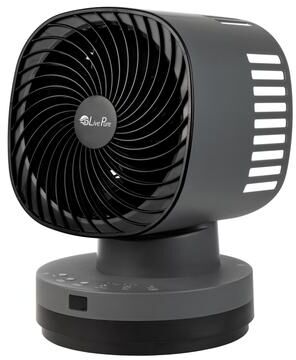
LivePure LP1200FAN Orbital Oscillating 4 Speed FanCool and freshen the air in your home with the LivePure LP1200FAN Orbital Oscillating Fan. The latest fan from LivePure features orbital oscillation, creating a powerful stream of airflow that circulates across a room.104,99 $*Shipping: 0,00 $Secure redirect to the provider
-
Fender Telecaster Bass Blonde 1977 Vintage Electric Bass Guitar Vintage Blonde - RefurbishedThis is a Fender Telecaster Bass in Blonde finish. Made in the USA in 1977, this bass comes from the second run of Telecaster Basses which were available from '71 up to their discontinuation in 1979. The original version was introduced in 1968, and was largely a reissue of the original Precision Bass, featuring Telecaster inspired features such as the small headstock, solitary single-coil pickup and separate control plate. In 1971 the design was updated to include some of the well-known CBS era appointments including the bullet truss rod nut and 3-bolt micro-tilt neck plate. Additionally the pickguard was re-designed to incorporate the controls and Fender's new Seth Lover-designed Wide Range pickup. The model was discontinued in '79, but has enjoyed several subsequent reissues as part of the Squier Vintage Modified series & Fender's Vintera II lineup. Naturally, a bolt-on construction is employed, and comprises an Ash body, Maple neck and 20 fret Maple fingerboard. Chrome hardware is fitted including a top-loading 4-saddle bridge with cover and Fender open-geared tuning machines. A Fender Wide Range Bass humbucking pickup is installed on the 3-ply black/white/black pickguard, and is wired to master volume & tone controls. The Maple neck plays very comfortably, with what might be described as a ‘U’ profile. This fillsthe hand reassuringly whilst still allowing for comfortable reach in all registers and promoting ergonomic thumb positioning. The double cutaway body design offers extended access into the upper register which works well with the gloss finish to the rear of the neck, allowing for smooth navigation of the 34” scale. The frets are on the larger size, feeling similar to modern medium jumbos. These feel great under the fingers, and provide the versatility required for a wide range of playing styles and techniques. The Wide Range Bass humbucker installed in this guitar had only been introduced in 1971, so the Telecaster bass was one of the first instruments to feature the pickup as factory standard. The Wide Range Bass humbucker makes use of 4 magnetised pole pieces rather than the bar magnet and screw arrangement of the Gibson PAF. Due to the difficulty of machining AlNiCo (Aluminium/Nickel/Cobalt) into threaded rod magnets, Fender chose to use CuNiFe magnets (Copper/Nickel/Iron) instead. As they produce less output than AlNiCo magnets, more windings were needed to produce enough output- resulting in a much larger enclosure than a typical humbucker. The tone is full-bodied and warm, filling out the bottom of the mix very nicely whilst still capturing all the snap and attack of your playing. A seriously cool instrument in astonishing condition. This is because between ‘77 and ‘78 Fender switched from using a string-thru bridge, to a top loading bridge. This means the body of the bass does not have holes and ferrules for a string-thru bridge. Please see the pictures of the body and neck attached to the listing. Luthier Report Our ID:...2470,00 £*Shipping: 0,00 £Secure redirect to the provider
-
Fender Precision Bass Black 1978 Vintage Electric Bass Guitar Vintage Black - RefurbishedThis is a Fender Precision Bass in Black finish. The Fender Precision bass was launched in 1951, and despite how ubiquitous it is today, actually took a few years to catch on. Electric bass guitars were a new concept at the time, and Leo Fender had to travel to jazz clubs & concert halls to promote his new instrument face to face with musicians. Several design modifications were made throughout the '50s before a major revision in '57. The headstock was changed to resemble the Stratocaster rather than the Telecaster it had originally, and the pickguard was also changed to echo the design of the Strat. The iconic split single-coil pickup was added and the bridge was changed to a top-loading design with four steel saddles. Aside from offering Rosewood fingerboard & different pickup options in the following years, the P Bass' design has remained largely unchanged since 1957, and has gone down in history as the first commercially successful bass guitar design, with an immeasurable impact in the world of music. Made in the USA in 1978, this bass comes from the height of Fender's CBS era. Whilst CBS made several small design tweaks to Fender's instruments, the P Bass remained largely unchanged save for the use of a polyurethane finish. It is clear that this particular example has stood the test of time, and has been well played & enjoyed throughout its 47 year life. Naturally, a bolt-on construction is employed and comprises an Alder body, Maple neck and 20 fret Maple fingerboard. Chrome hardware is fitted including a top-loading bridge & split-post open-geared tuning machines. A split single-coil pickup is installed and wired to master volume & tone controls. The Maple neck plays very well, with a profile which might be described as a smooth and even 'C' shape, perhaps slightly thicker than you might find on Fender's modern offerings. Paired with the 7.25" fingerboard radius, this bass has a genuinely vintage specification. Along with the finish wear from the years of playing this bass has seen, the instrument feels very inspiring in the hands. Certainly, this bass has a 'mojo' to it which is often imitated on modern instruments but never equalled. Deep, rumbling lows will fill out your mix, whilst punchy mids and a sparkly top end will ensure that you have plenty of snap and attack to provide a lively and percussive performance. pushing your bass playing forward in the mix to create more urgency in the sound. The controls keep things simple; not intruding on the playing experience but still offering ample opportunities for tone shaping. Rolling the tone control down darkens the sound nicely, allowing you to blend more easily into the mix for a more mellow, quite jazzy tone. A well-loved bass that has worked hard throughout it's life but still has plenty to give.1890,00 £*Shipping: 0,00 £Secure redirect to the provider
-
What are orbital sanders and random orbital sanders?
Orbital sanders are power tools used for sanding wood, metal, or other materials. They move in a circular motion, making them ideal for smoothing surfaces and removing imperfections. Random orbital sanders, on the other hand, combine the spinning motion of traditional orbital sanders with a random orbital motion. This dual-action movement helps prevent swirl marks and provides a smoother finish, making random orbital sanders a popular choice for professional woodworkers and DIY enthusiasts. **
-
Why is the 1s orbital the lowest energy orbital?
The 1s orbital is the lowest energy orbital because it is closest to the nucleus of the atom. Electrons in the 1s orbital experience the strongest attraction to the positively charged nucleus, resulting in a lower energy state. As electrons move to higher energy orbitals, they are farther from the nucleus and experience weaker attraction, leading to higher energy levels. Additionally, the 1s orbital has the lowest principal quantum number (n=1), which also contributes to its lower energy compared to higher energy orbitals with larger principal quantum numbers. **
-
Can you connect an electric guitar or a bass to an amplifier for electronic drums?
Yes, you can connect an electric guitar or a bass to an amplifier for electronic drums. Most amplifiers have multiple input jacks, allowing you to connect different instruments simultaneously. This can be useful for practicing or performing with a full band setup. Just make sure to adjust the settings on the amplifier to accommodate the different instruments and ensure a balanced sound. **
-
Is the molecular orbital the same as the orbital model?
No, the molecular orbital model is not the same as the orbital model. The orbital model refers to the concept of atomic orbitals, which are regions of space around an atomic nucleus where electrons are likely to be found. On the other hand, the molecular orbital model describes the behavior of electrons in molecules, taking into account the interactions between atomic orbitals to form molecular orbitals. In essence, the molecular orbital model is an extension of the orbital model to describe the electronic structure of molecules. **
Similar search terms for Orbital
-
Airvana AV1200FAN Orbital Oscillating Portable Fan W/ RemoteMeet the Airvana Orbital Oscillating fan—your new go-to for a cooler, more comfortable space. This fan packs a punch with its orbital oscillation tech, giving you a consistent and strong airflow that reaches every corner of the room.83,99 $*Shipping: 0,00 $Secure redirect to the provider
-
Uplifted Finds Compact Orbital 1.2L Recirculation Hub grayOptimize your pets hydration routine with the Compact Orbital Hydration Hub, a professionalgrade water station engineered with spaceefficient recirculating logic. This highutility module features a 1.2L volumetric capacity, making it an ideal...131,97 $*Shipping: 0,00 $Secure redirect to the provider
-
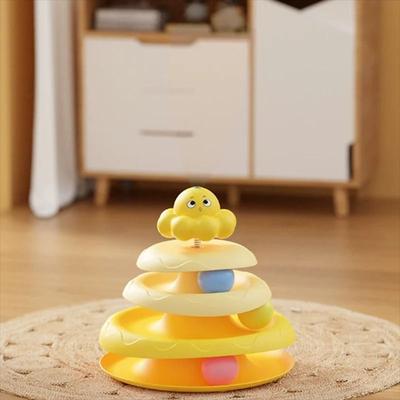
Uplifted Finds Octo Tier Orbital Interaction Module yellowStimulate your pets cognitive and physical agility with the OctoTier Orbital Interaction Module, a professionalgrade entertainment station engineered with multilevel predatory logic. This highutility module features a threetier orbital track...64,97 $*Shipping: 0,00 $Secure redirect to the provider
-
LivePure LP1200FAN Orbital Oscillating 4 Speed FanCool and freshen the air in your home with the LivePure LP1200FAN Orbital Oscillating Fan. The latest fan from LivePure features orbital oscillation, creating a powerful stream of airflow that circulates across a room.104,99 $*Shipping: 0,00 $Secure redirect to the provider
-
Can a p- or d-orbital overlap with an s-orbital?
No, a p- or d-orbital cannot directly overlap with an s-orbital. This is because the p- and d-orbitals have different shapes and orientations compared to the s-orbital. However, p- and d-orbitals can overlap with each other, and s-orbitals can overlap with each other, leading to the formation of molecular orbitals in chemical bonding. **
-
What is orbital reshaping?
Orbital reshaping is a cosmetic surgical procedure that involves altering the shape and size of the eye sockets. This procedure is typically done to correct congenital deformities, trauma-related injuries, or aesthetic concerns. Orbital reshaping can involve either reducing or augmenting the size of the eye sockets to achieve a more balanced and harmonious appearance. It is a specialized procedure that requires a skilled surgeon with expertise in oculoplastic surgery. **
-
What is orbital reshuffling?
Orbital reshuffling refers to the process in which electrons in an atom rearrange themselves into different orbitals. This rearrangement occurs when an atom undergoes a change in its electronic configuration, typically due to the presence of external factors such as an electric field or interactions with other atoms. Orbital reshuffling can result in changes in the chemical properties of the atom, leading to the formation of new chemical bonds or the stabilization of certain electronic configurations. **
-
What is orbital hybridization?
Orbital hybridization is a concept in chemistry that describes the mixing of atomic orbitals to form new hybrid orbitals. This occurs when an atom forms covalent bonds with other atoms. The hybrid orbitals have different shapes and energies than the original atomic orbitals, and they allow for better overlap with other orbitals, leading to stronger and more stable bonds. The most common types of hybridization are sp, sp2, and sp3, which involve the mixing of s and p orbitals to form new hybrid orbitals. **
* All prices are inclusive of VAT and, if applicable, plus shipping costs. The offer information is based on the details provided by the respective shop and is updated through automated processes. Real-time updates do not occur, so deviations can occur in individual cases. ** Note: Parts of this content were created by AI.