Buy rock-guide.com ?
We are moving the project
rock-guide.com .
Are you interested in purchasing the domain
rock-guide.com ?
domain@kv-gmbh.de · 0541-91531010
Buy rock-guide.com ?
What is the Kentia palm infested with?
The Kentia palm is commonly infested with pests such as spider mites, mealybugs, and scale insects. These pests can cause damage to the plant by feeding on its leaves, leading to discoloration, wilting, and stunted growth. It is important to regularly inspect the Kentia palm for signs of infestation and take appropriate measures to control and prevent further damage. **
Does the Kentia palm get brown leaves?
Yes, the Kentia palm can develop brown leaves for a variety of reasons. Overwatering or underwatering, exposure to direct sunlight, low humidity, and nutrient deficiencies can all contribute to the browning of Kentia palm leaves. It's important to monitor the plant's watering schedule, provide adequate humidity, and ensure it is not exposed to direct sunlight to prevent browning of the leaves. Regularly inspecting the plant for any signs of nutrient deficiencies and addressing them promptly can also help maintain the health and vibrancy of the Kentia palm's foliage. **


Similar search terms for Fremont-Park-Kentia-Velvet
Top-Angebote
Products related to Fremont-Park-Kentia-Velvet:
-
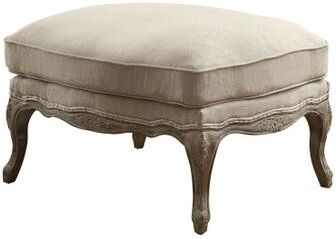
Fremont & Park Dala Velvet Black Metal Legs Dining Side Chair (Set of 4)Fremont & Park – Dala Collection Add contemporary style to your dining space with this set of four dining chairs. Gray velvet upholstery, curved backs with distinctive crisscross stitching, and slim black iron legs create a clean, modern look.210,99 $*Shipping: 0,00 $Secure redirect to the provider



-
Why is the Kentia palm turning yellow?
The Kentia palm may be turning yellow due to overwatering, which can lead to root rot and nutrient deficiencies. It could also be a sign of inadequate sunlight or poor drainage. Additionally, the yellowing could be a result of low humidity or pest infestation. It's important to assess the plant's care routine and environment to determine the cause of the yellowing and make necessary adjustments to promote its health. **
-
How do I care for a Kentia palm?
To care for a Kentia palm, you should: 1. Light: Kentia palms prefer bright, indirect light. Avoid direct sunlight as it can scorch the leaves. 2. Watering: Water your Kentia palm when the top inch of soil feels dry. Water thoroughly, allowing excess water to drain out of the pot. Avoid overwatering as it can lead to root rot. 3. Humidity: Kentia palms prefer high humidity levels. You can increase humidity by misting the leaves regularly or placing a humidifier nearby. 4. Temperature: Kentia palms prefer temperatures between 65-80°F (18-27°C). Protect them from drafts and sudden temperature changes. 5. Fertilizing: Fertilize your Kentia palm every 2-3 months during the growing season (spring and summer) with a balanced fertilizer diluted to half strength. 6. Pruning: Remove any yellow or brown leaves by cutting them off at the base of the plant. Trim any dead or damaged fronds to maintain the plant's appearance. 7. Repotting: Repot your Kentia palm every 2-3 years or when it outgrows its current pot. Use a well-draining potting mix and a container with drainage holes. By following these care tips, you can help your Kentia palm thrive and grow into a healthy and beautiful plant. **
-
Can you connect an electric guitar or a bass to an amplifier for electronic drums?
Yes, you can connect an electric guitar or a bass to an amplifier for electronic drums. Most amplifiers have multiple input jacks, allowing you to connect different instruments simultaneously. This can be useful for practicing or performing with a full band setup. Just make sure to adjust the settings on the amplifier to accommodate the different instruments and ensure a balanced sound. **
-
How do I fold velvet?
When folding velvet, it is important to handle it with care to avoid crushing or flattening the pile. Lay the velvet fabric flat on a clean surface and gently smooth out any wrinkles. Fold the fabric loosely and avoid pressing down too hard on the pile. It is also recommended to store velvet items hanging up to prevent creases and maintain the fabric's luxurious appearance. **

How do you dye velvet?
To dye velvet, you will need to first prepare the fabric by washing it to remove any dirt or residue. Then, choose a fabric dye that is suitable for velvet and follow the instructions on the dye package. It is important to use a dye specifically made for synthetic fibers if your velvet is made from synthetic materials. Next, mix the dye according to the instructions and immerse the velvet fabric into the dye bath, making sure to stir constantly to ensure even color distribution. Finally, rinse the fabric thoroughly and allow it to dry completely before using or sewing it into your desired project. **
Does one sweat in velvet?
Yes, one can still sweat in velvet. While velvet is a luxurious and soft fabric, it is not particularly breathable, so it can trap heat and moisture against the skin. This can lead to sweating, especially in warm or humid conditions. It's important to choose clothing made from breathable fabrics, such as cotton or linen, if you want to minimize sweating. **
Top-Angebote
Products related to Fremont-Park-Kentia-Velvet:
-
Fremont & Park Kentia Velvet Convertible Futon SofaFremont & Park - Kentia Collection The Kentia Collection allows for ease of expansion of your seating area to sleeping platform, with the engagement of the click-motion seatback and pop-up bed.953,49 $*Shipping: 0,00 $Secure redirect to the provider
-
What is the Kentia palm infested with?
The Kentia palm is commonly infested with pests such as spider mites, mealybugs, and scale insects. These pests can cause damage to the plant by feeding on its leaves, leading to discoloration, wilting, and stunted growth. It is important to regularly inspect the Kentia palm for signs of infestation and take appropriate measures to control and prevent further damage. **
-
Does the Kentia palm get brown leaves?
Yes, the Kentia palm can develop brown leaves for a variety of reasons. Overwatering or underwatering, exposure to direct sunlight, low humidity, and nutrient deficiencies can all contribute to the browning of Kentia palm leaves. It's important to monitor the plant's watering schedule, provide adequate humidity, and ensure it is not exposed to direct sunlight to prevent browning of the leaves. Regularly inspecting the plant for any signs of nutrient deficiencies and addressing them promptly can also help maintain the health and vibrancy of the Kentia palm's foliage. **
-
Why is the Kentia palm turning yellow?
The Kentia palm may be turning yellow due to overwatering, which can lead to root rot and nutrient deficiencies. It could also be a sign of inadequate sunlight or poor drainage. Additionally, the yellowing could be a result of low humidity or pest infestation. It's important to assess the plant's care routine and environment to determine the cause of the yellowing and make necessary adjustments to promote its health. **
-
How do I care for a Kentia palm?
To care for a Kentia palm, you should: 1. Light: Kentia palms prefer bright, indirect light. Avoid direct sunlight as it can scorch the leaves. 2. Watering: Water your Kentia palm when the top inch of soil feels dry. Water thoroughly, allowing excess water to drain out of the pot. Avoid overwatering as it can lead to root rot. 3. Humidity: Kentia palms prefer high humidity levels. You can increase humidity by misting the leaves regularly or placing a humidifier nearby. 4. Temperature: Kentia palms prefer temperatures between 65-80°F (18-27°C). Protect them from drafts and sudden temperature changes. 5. Fertilizing: Fertilize your Kentia palm every 2-3 months during the growing season (spring and summer) with a balanced fertilizer diluted to half strength. 6. Pruning: Remove any yellow or brown leaves by cutting them off at the base of the plant. Trim any dead or damaged fronds to maintain the plant's appearance. 7. Repotting: Repot your Kentia palm every 2-3 years or when it outgrows its current pot. Use a well-draining potting mix and a container with drainage holes. By following these care tips, you can help your Kentia palm thrive and grow into a healthy and beautiful plant. **
Similar search terms for Fremont-Park-Kentia-Velvet
-
Fremont & Park Dala Velvet Black Metal Legs Dining Side Chair (Set of 4)Fremont & Park – Dala Collection Add contemporary style to your dining space with this set of four dining chairs. Gray velvet upholstery, curved backs with distinctive crisscross stitching, and slim black iron legs create a clean, modern look.210,99 $*Shipping: 0,00 $Secure redirect to the provider
-
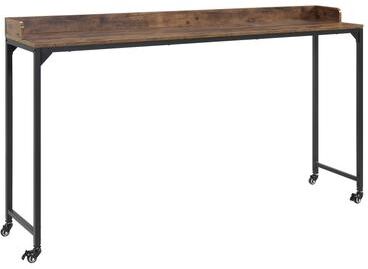
Fremont & Park Vilela Overbed DeskFremont & Park – Vilela Collection Creating a space that allows you to function from the most comfortable spot in your home, the Vilela Collection slides over the top of your bed allowing for convenient tabletop access.143,69 $*Shipping: 0,00 $Secure redirect to the provider
-
Can you connect an electric guitar or a bass to an amplifier for electronic drums?
Yes, you can connect an electric guitar or a bass to an amplifier for electronic drums. Most amplifiers have multiple input jacks, allowing you to connect different instruments simultaneously. This can be useful for practicing or performing with a full band setup. Just make sure to adjust the settings on the amplifier to accommodate the different instruments and ensure a balanced sound. **
-
How do I fold velvet?
When folding velvet, it is important to handle it with care to avoid crushing or flattening the pile. Lay the velvet fabric flat on a clean surface and gently smooth out any wrinkles. Fold the fabric loosely and avoid pressing down too hard on the pile. It is also recommended to store velvet items hanging up to prevent creases and maintain the fabric's luxurious appearance. **
-
How do you dye velvet?
To dye velvet, you will need to first prepare the fabric by washing it to remove any dirt or residue. Then, choose a fabric dye that is suitable for velvet and follow the instructions on the dye package. It is important to use a dye specifically made for synthetic fibers if your velvet is made from synthetic materials. Next, mix the dye according to the instructions and immerse the velvet fabric into the dye bath, making sure to stir constantly to ensure even color distribution. Finally, rinse the fabric thoroughly and allow it to dry completely before using or sewing it into your desired project. **
-
Does one sweat in velvet?
Yes, one can still sweat in velvet. While velvet is a luxurious and soft fabric, it is not particularly breathable, so it can trap heat and moisture against the skin. This can lead to sweating, especially in warm or humid conditions. It's important to choose clothing made from breathable fabrics, such as cotton or linen, if you want to minimize sweating. **
* All prices are inclusive of VAT and, if applicable, plus shipping costs. The offer information is based on the details provided by the respective shop and is updated through automated processes. Real-time updates do not occur, so deviations can occur in individual cases. ** Note: Parts of this content were created by AI.